You’ve probably seen them offered side by side. Deep tissue massage and Lymphatic drainage. Two treatments that sound completely different, look completely different, and somehow still leave people wondering which one they’re actually supposed to book.
The two work on entirely separate systems in your body. One goes deep into muscle and fascia. The other floats along the surface, working with the fluid layer just under your skin. Different pressures. Different paces. Different results.
And picking the wrong one won’t hurt you. But it also won’t help.
So which one is your body actually asking for?
At Makalani Holistic, I’ve been doing this work for over twenty years, and I’ve watched plenty of people book the wrong one just because it sounded more impressive on the menu. Let’s walk through both honestly, so you know exactly which one belongs on your calendar.
What Is Deep Tissue Massage?
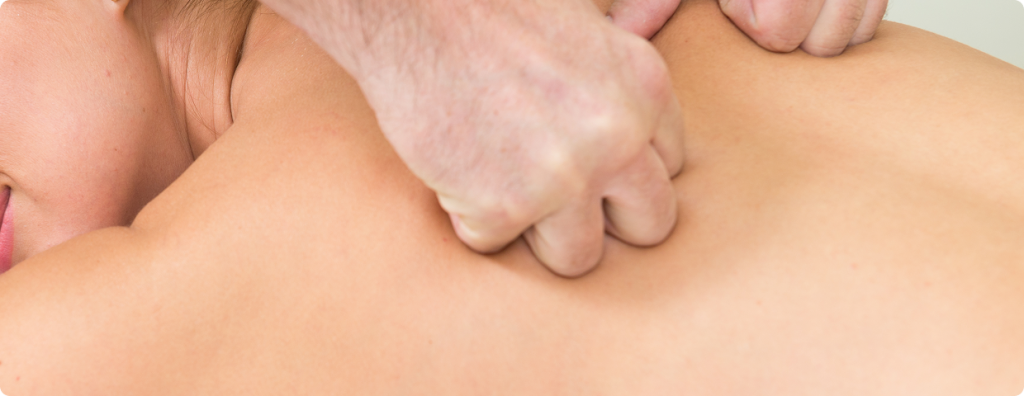
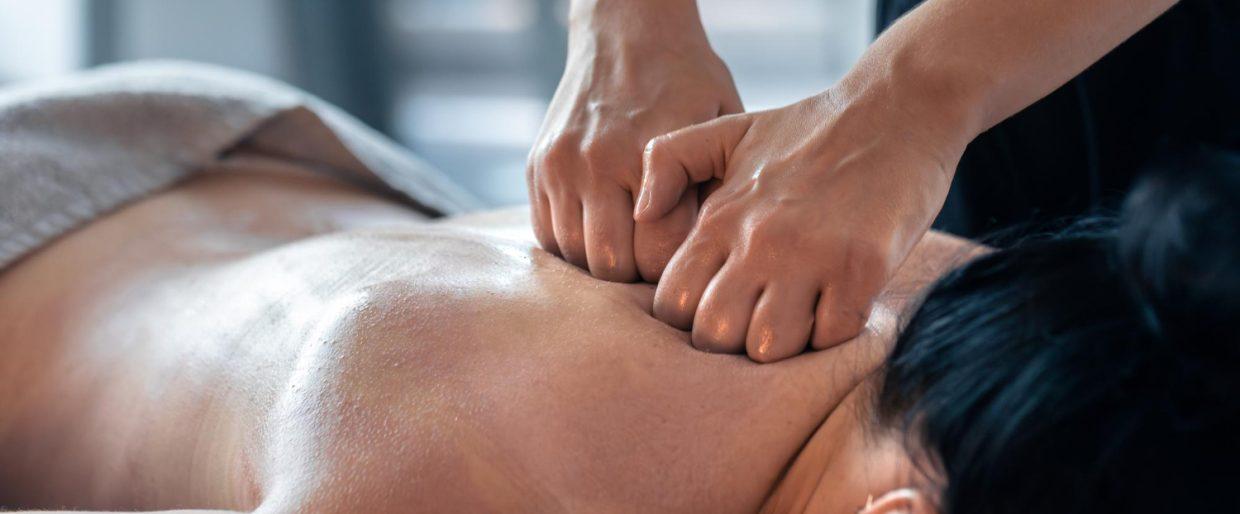
Deep tissue massage uses firm, controlled pressure to reach the deeper layers of muscle and fascia, releasing chronic tightness, improving range of motion, and supporting long-term muscle recovery.
The pressure is deliberate. Sometimes intense. Never rough, but never shy either. Your therapist works slowly and mindfully into the layers most massage doesn’t reach, giving your body the time it needs to actually let go.
When should you get a Deep Tissue Massage?
- You have chronic tight shoulders, neck, or back tension
- You wake up stiff and it takes half the day to loosen up
- You have stubborn knots that won’t release
- You’re dealing with postural pain from long hours at a desk
- Stress has settled into your body and made itself at home
In my Deep Tissue Massage sessions, I may also weave in heat therapy, aromatherapy, Gua Sha, or wood therapy depending on what your body needs to fully release. The 90-minute format gives us the time to actually get somewhere, not just skim the surface.
What Is Lymphatic Drainage?
Manual Lymphatic Drainage (MLD) is a specialized therapy that uses gentle rhythmic and repetitive hand movements that follow the natural rhythm of your lymphatic system to encourage the movement of lymph fluid, reduce swelling, and support your body’s natural detoxification process.
Here’s the most important thing to understand up front: this is not a massage. It’s lymphatic therapy. And that distinction matters.
Your lymphatic vessels sit right beneath the surface of your skin. They’re delicate and if someone applies deep massage-style pressure over them, they collapse instead of drain.
When should you get a Manual Lymphatic Drainage treatment?
- You’re dealing with swelling or puffiness that won’t go down
- You’re recovering from illness or a recent vaccine
- You feel sluggish, heavy, or congested
- You have chronic lymphedema that needs ongoing management
- Your face feels puffy during allergy season or in the mornings
According to the Cleveland Clinic, MLD can help move fluid out of tissues where it’s built up, ease inflammation, and support immune function.
This is also why credentials genuinely matter. MLD requires specialized training that most massage therapists don’t have. I’m a Certified Lymphedema Therapist (CLT), which means I’ve been formally trained in exactly how the lymphatic system moves and how to work with it safely. My Manual Lymphatic Drainage sessions are available in 60 or 90 minutes depending on your needs.
Because MLD works so directly with your body’s fluid systems, there are a few medical situations where it isn’t the right fit for someone. I always walk through this with you at the time of booking so we can make sure it’s the right call for your body.
How They Actually Differ
The clearest way to hold these two side by side is this: deep tissue speaks to your muscles. Lymphatic drainage speaks to your lymphatic system. Two very different conversations.
Deep tissue uses firm, focused pressure to work into muscle and fascia. It’s what you want when the tension is structural, when a muscle is clenched, when a knot has been living rent-free in your shoulder for months. You often feel the work while it’s happening, and you might feel a little worked afterward, the way you would after a really honest workout.
Lymphatic drainage uses light, rhythmic, patient strokes that most people barely feel. It’s what you want when the issue is fluid, swelling, puffiness, or a sluggish sense that your body isn’t clearing something out on its own. Afterward, most people feel lighter, less puffy, and sometimes notice that their clothes fit a little differently than they did that morning.
One works into your body. The other works with it.
If your body is dealing with a specific kind of pain you’re still trying to understand, my guide on choosing the right massage for your pain breaks down more of the modalities I offer and how they compare.
Questions I Get Before a First Session
Can I get deep tissue and lymphatic drainage in the same visit?
I don’t combine them in one session because they work on completely opposite systems, using completely opposite pressure. If your body needs both, we book them a few days apart so each has room to do its job properly.
Does deep tissue massage help with lymphatic drainage or the lymphatic system?
Not really, and this is a common misunderstanding. Deep tissue helps circulation generally, which is a small side benefit for the whole body. But the firm pressure used in deep tissue actually collapses lymphatic vessels rather than helping them move fluid. If your body needs lymphatic support, deep tissue is not a substitute for MLD. They are genuinely different therapies for different problems.
Which one hurts less?
Lymphatic drainage. By a mile. It’s one of the gentlest things you can experience on a table. Deep tissue can range from firm to intense, though it should never actually cross into pain. If it does, tell your therapist so they can adjust.
One Last Thing
The right treatment isn’t the one that sounds more impressive, and it isn’t the one your friend swore by. It’s the one that answers what your body is quietly asking for.
If your muscles are the problem, deep tissue is the answer. If your fluid is the problem, lymphatic drainage is the answer. And if you’re honestly not sure, that’s what a phone call is for.
You can book a Deep Tissue session here, or a Lymphatic Drainage session here, and I’ll take care of the rest.
Your body has been carrying something, either muscle or fluid or both. Whichever it is, it’s ready to let go.